By Wayne Tanaka | Reading time: 4.5min
On August 14, 2026, a proposal was put before the Land Board that would pave the way for massive amounts of East Maui stream water to be given to Canada-based PSP Investments, doing business in Hawaiʻi as Mahi Pono, for an entire generation.
The proposal was couched as a “public auction” for a long-term lease of East Maui’s stream water. However, the true intent of the proposal, to fulfill Mahi Pono’s desire to control East Maui’s water for decades into the future, was undeniably clear: the “public auction” was for a lease to deliver East Maui water to Mahi Pono’s lands in central Maui; the staff submittal containing the proposal extensively cited Mahi Pono’s farm plans, as well as the environmental impact statement Mahi Pono had completed in 2021; and the amount of water that would have been leased via auction was the same amount that Mahi Pono had publicly claimed it needed: 88 million gallons of water per day, every day, for 30 years.
The proposal came as a shock to Maui residents and those who had long been tracking the generations-long East Maui water wars.
The Land Board still had not held a court-ordered evidentiary hearing, or “contested case,” to address Mahi Pono’s rampant waste of diverted stream water; its inflated agricultural water demands; its unaccounted-for impacts to watershed and estuarine health, as well as constitutionally-protected Native Hawaiian traditional and customary practices; and other longstanding concerns arising from Mahi Pono’s decade-long diversion of East Maui’s streams under annually re-issued "revocable permits.”
Moreover, Maui County had been preparing for nearly four years to take over the administration of East Maui’s streams, via a “set-aside” from the Board of Land and Natural Resources. The voter-created, community-based East Maui Water Authority was nearly ready to fulfill this kuleana, along with its expert consultants and the county Department of Water Supply. Especially in light of the Department of Land and Natural Resources’ prior assurances that it would support such a set-aside, many were flabbergasted that the Department was suddenly proposing to close the door on the county’s efforts, in favor of a profit-focused Canadian pension fund.
Thankfully, the people of Maui - and Hawaiʻi as a whole - would not stand idly by as Maui’s water, and its future, was about to be placed in the hands of corporate decisionmakers thousands of miles away.
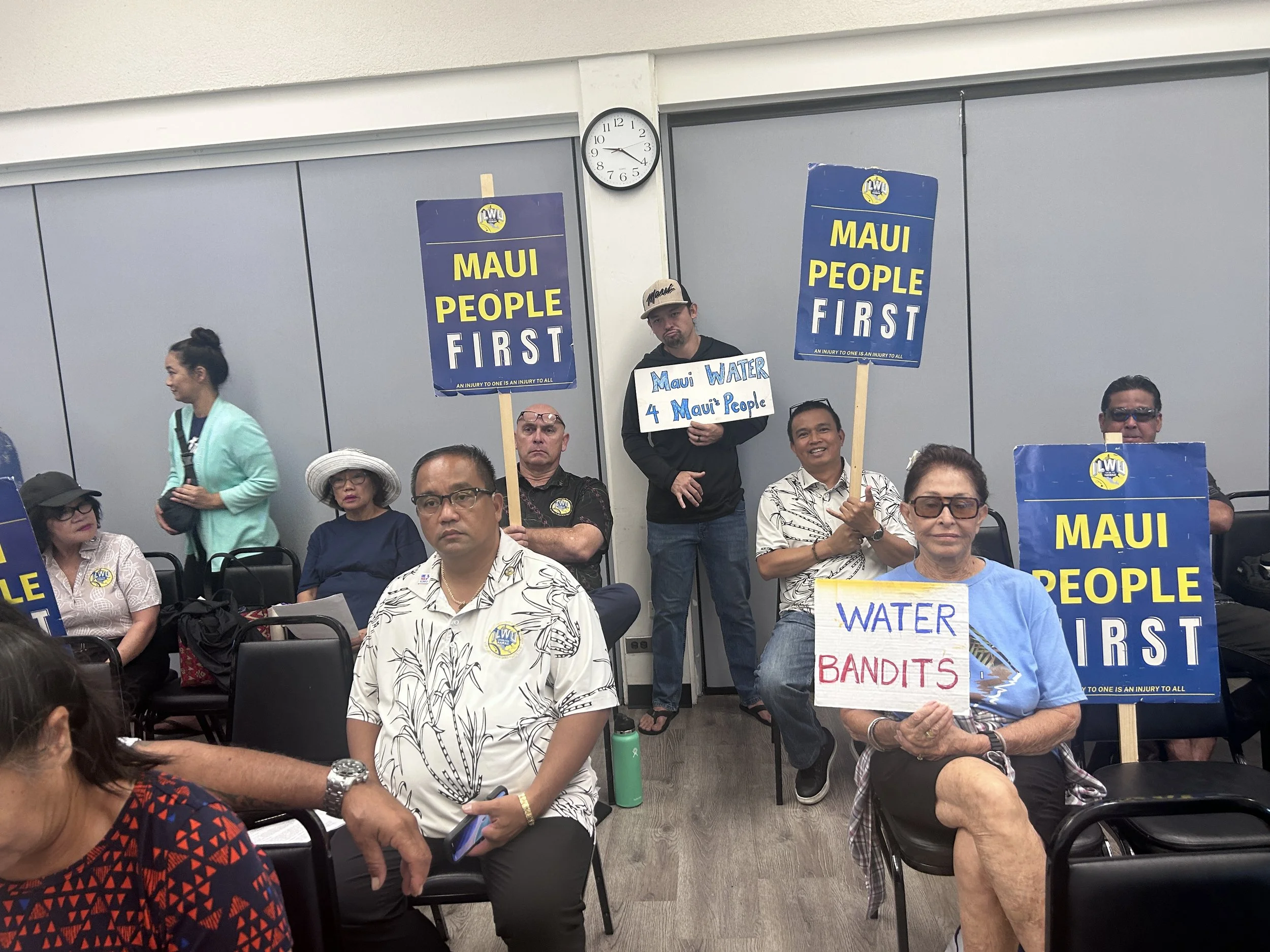

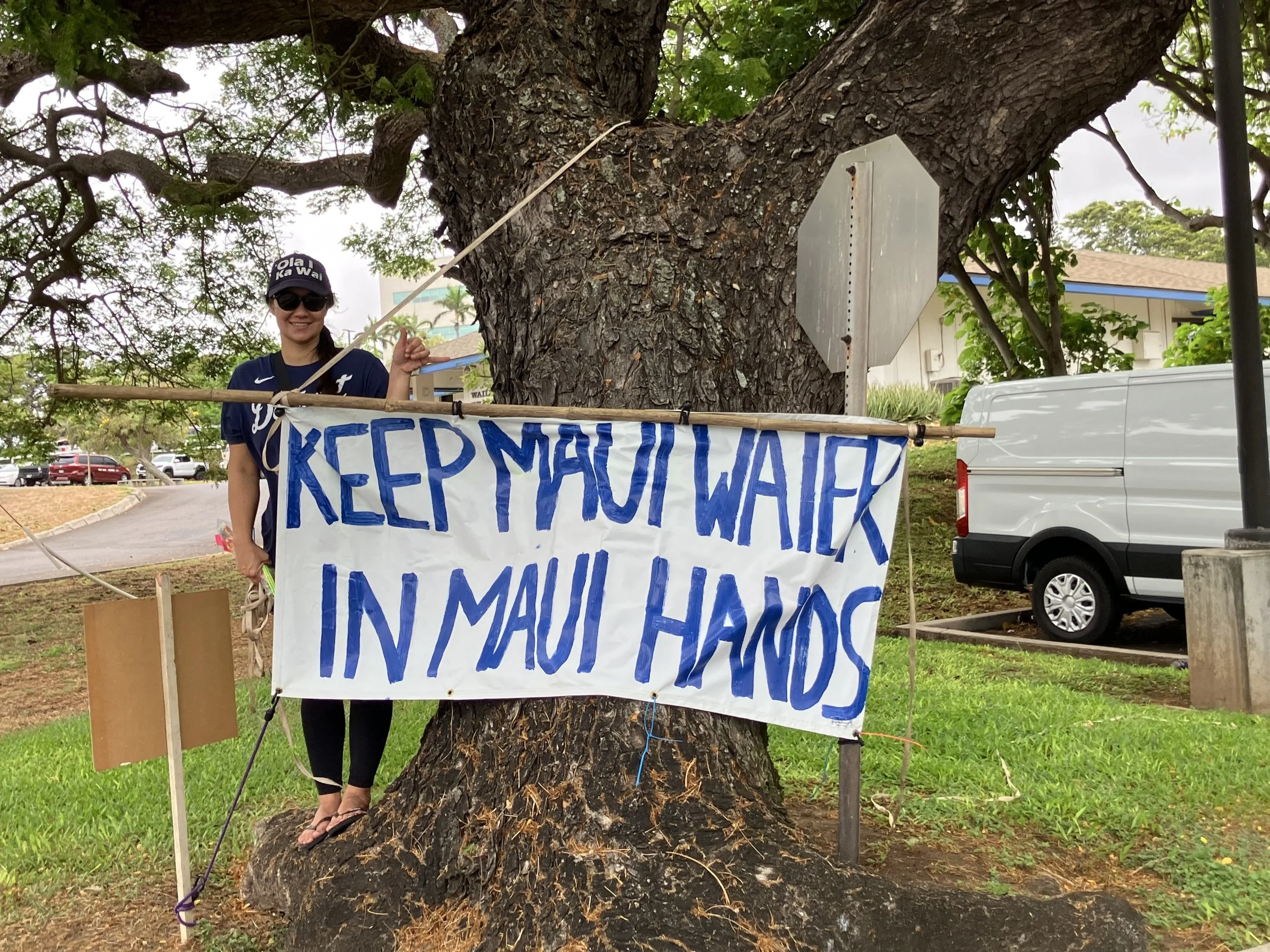
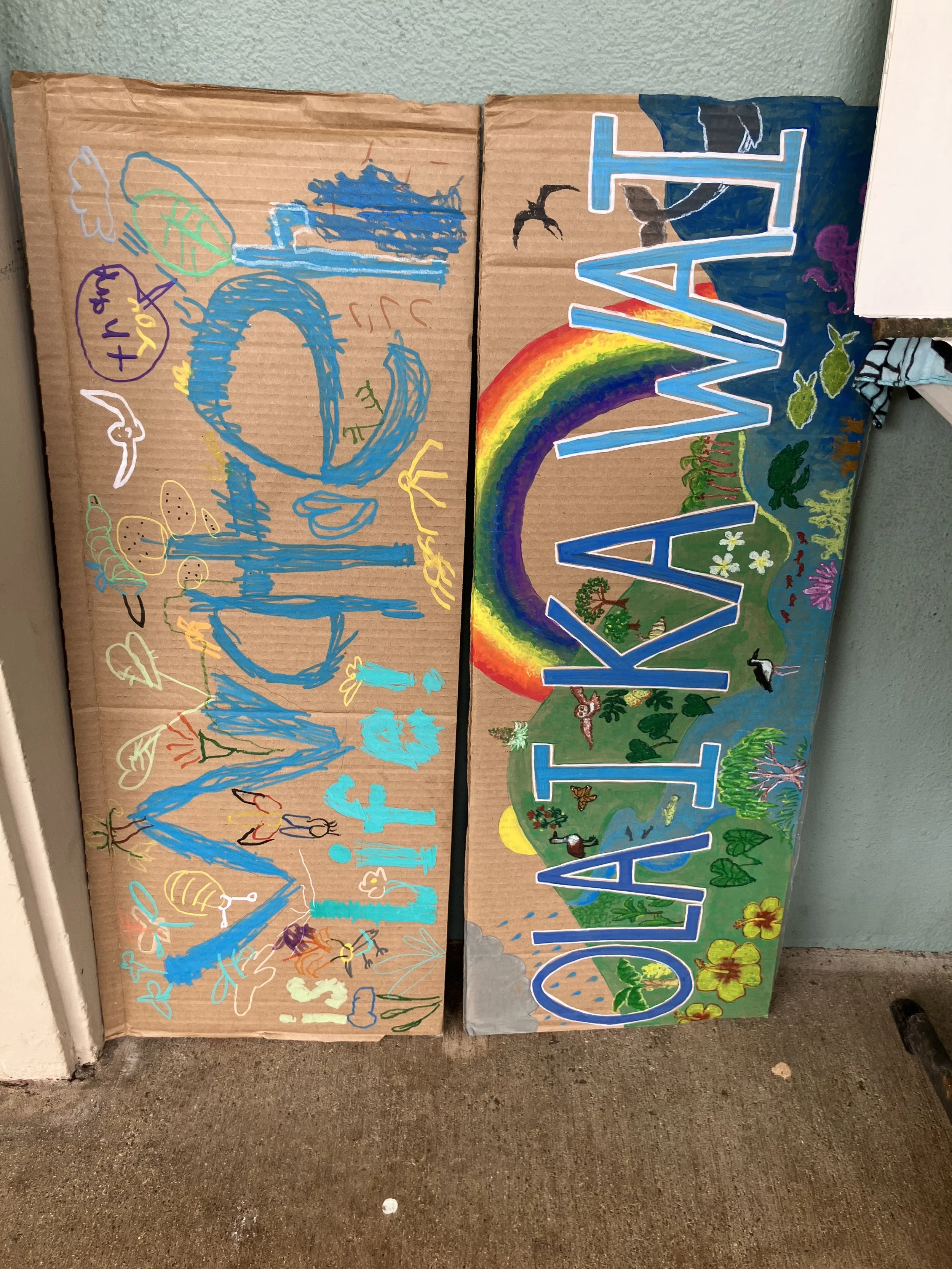


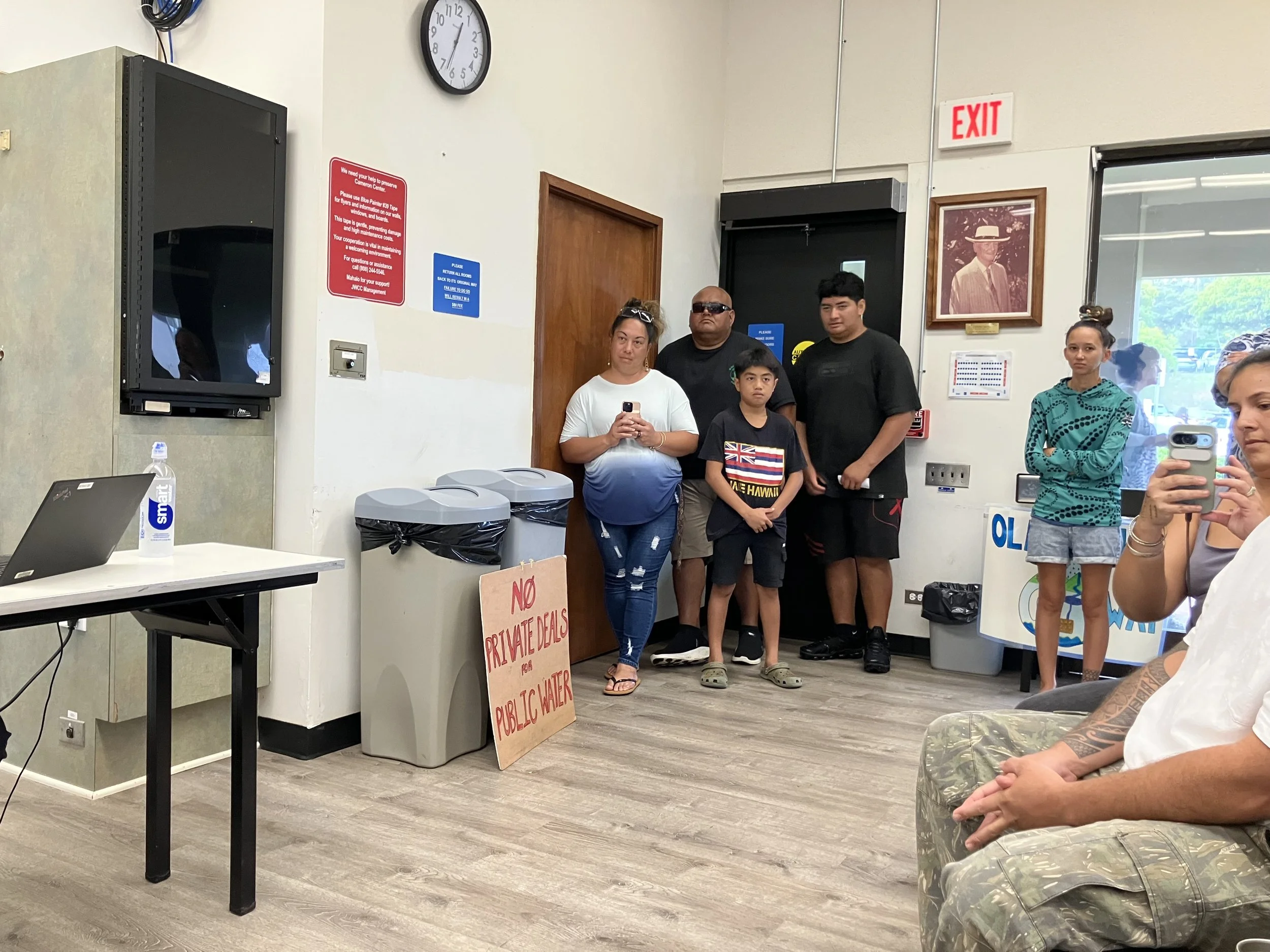


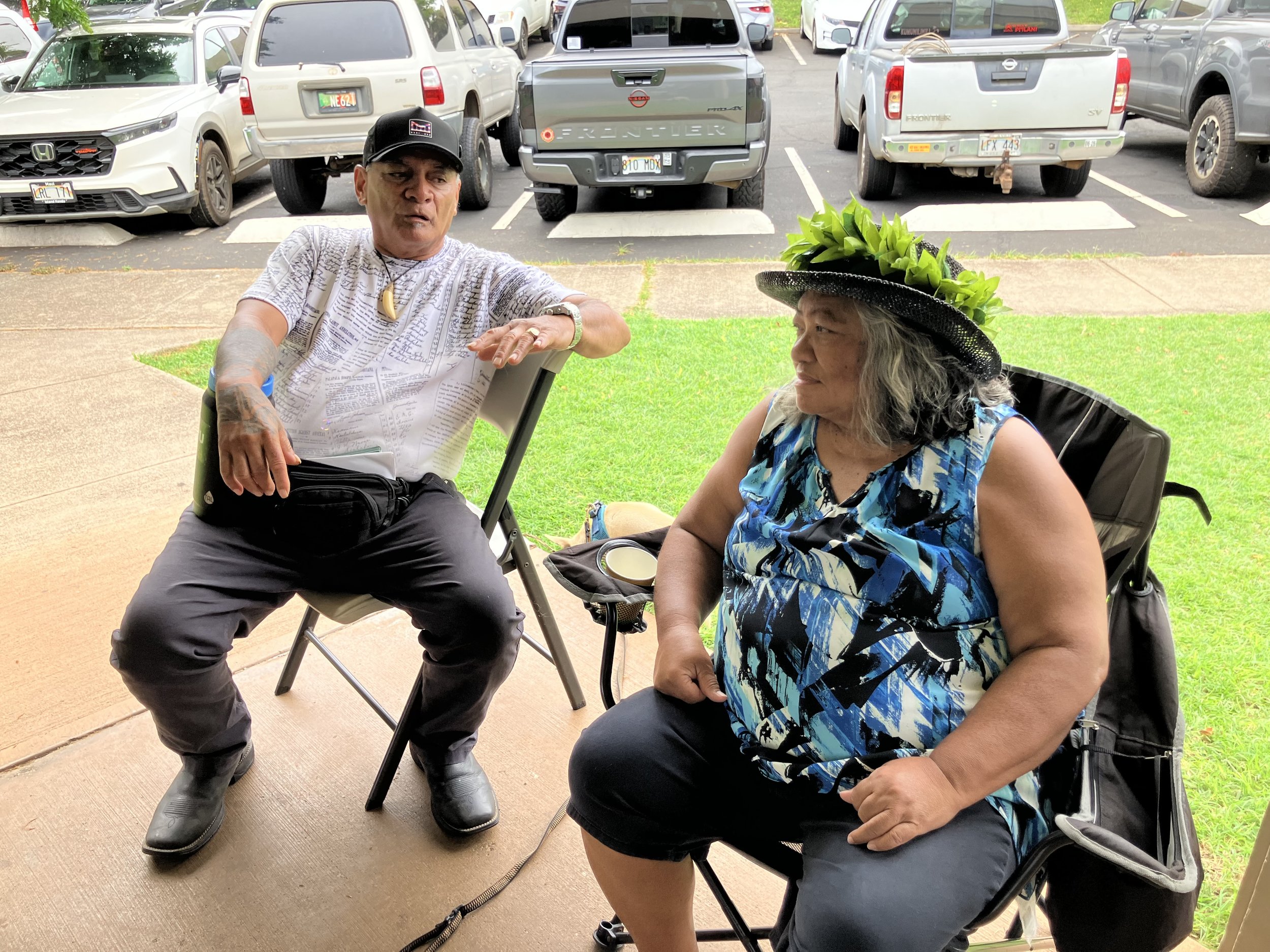
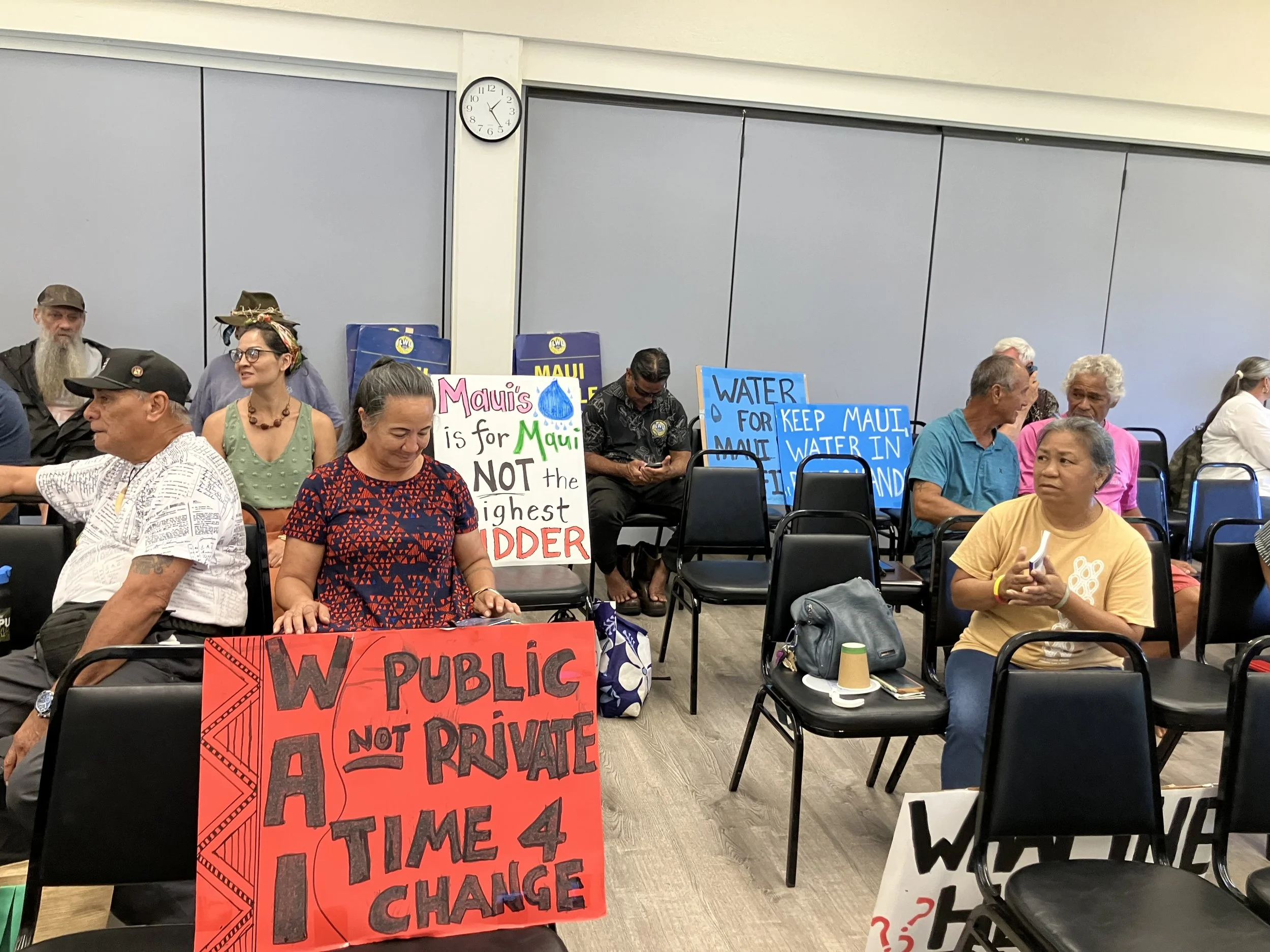


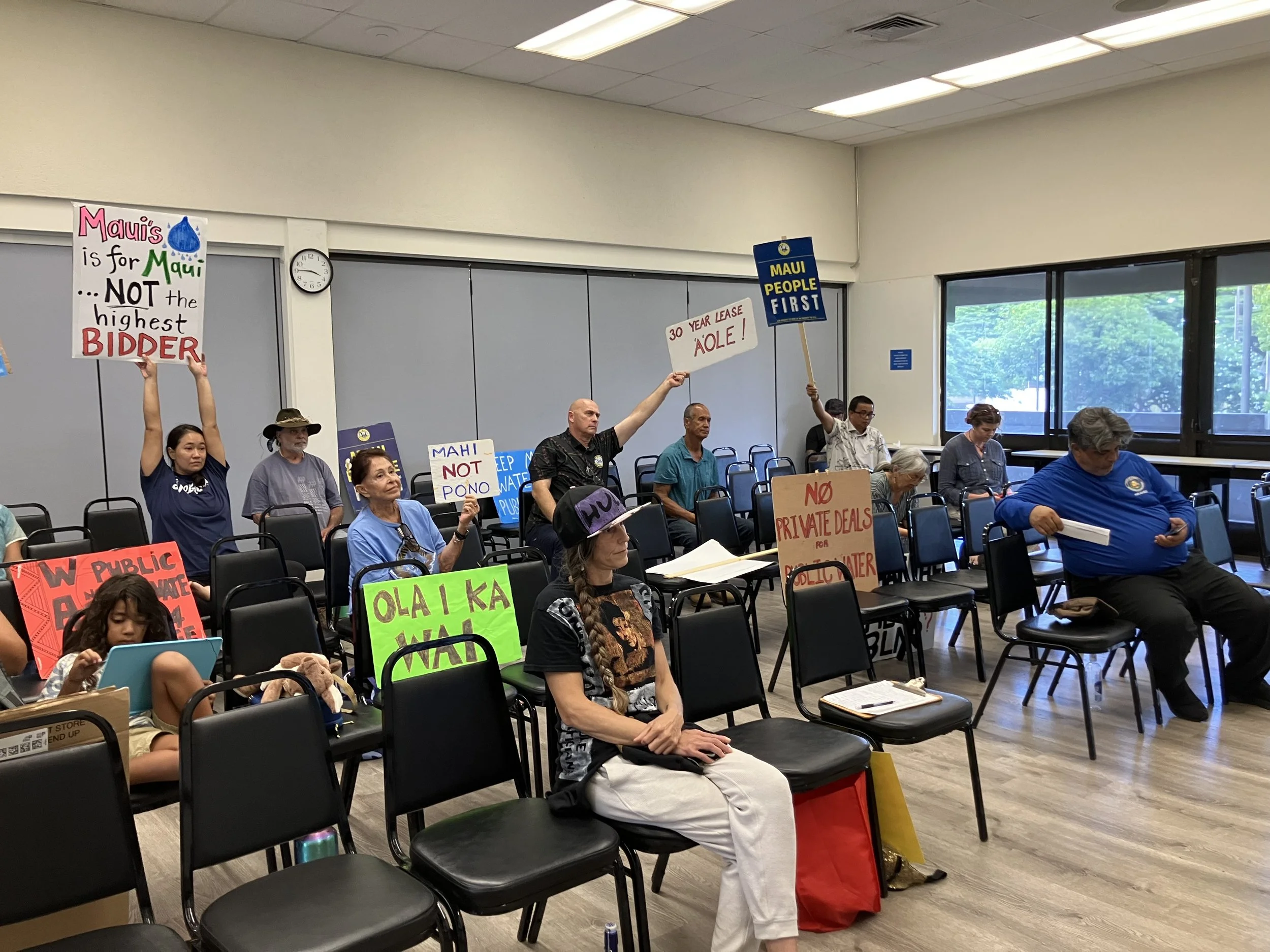
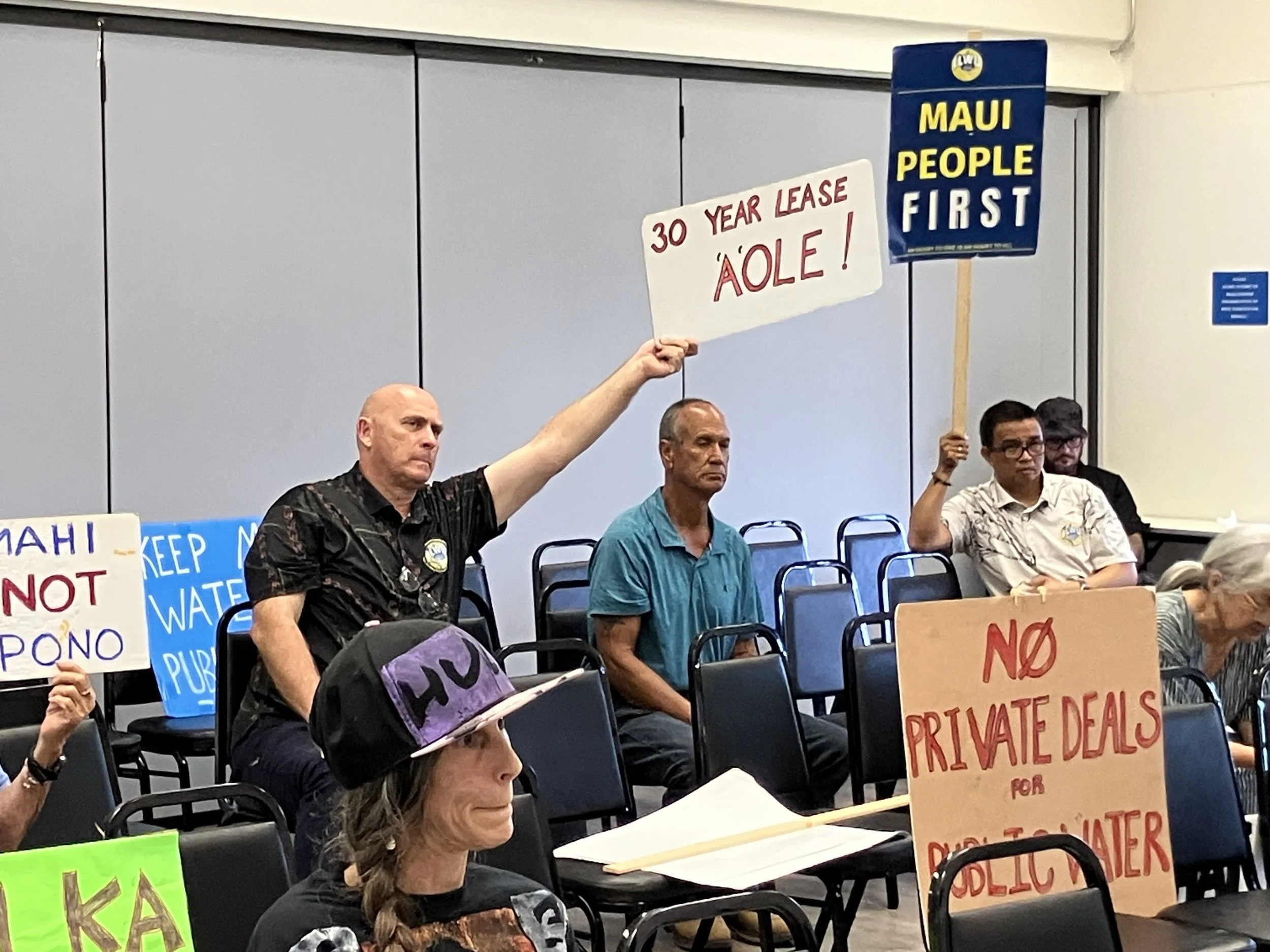
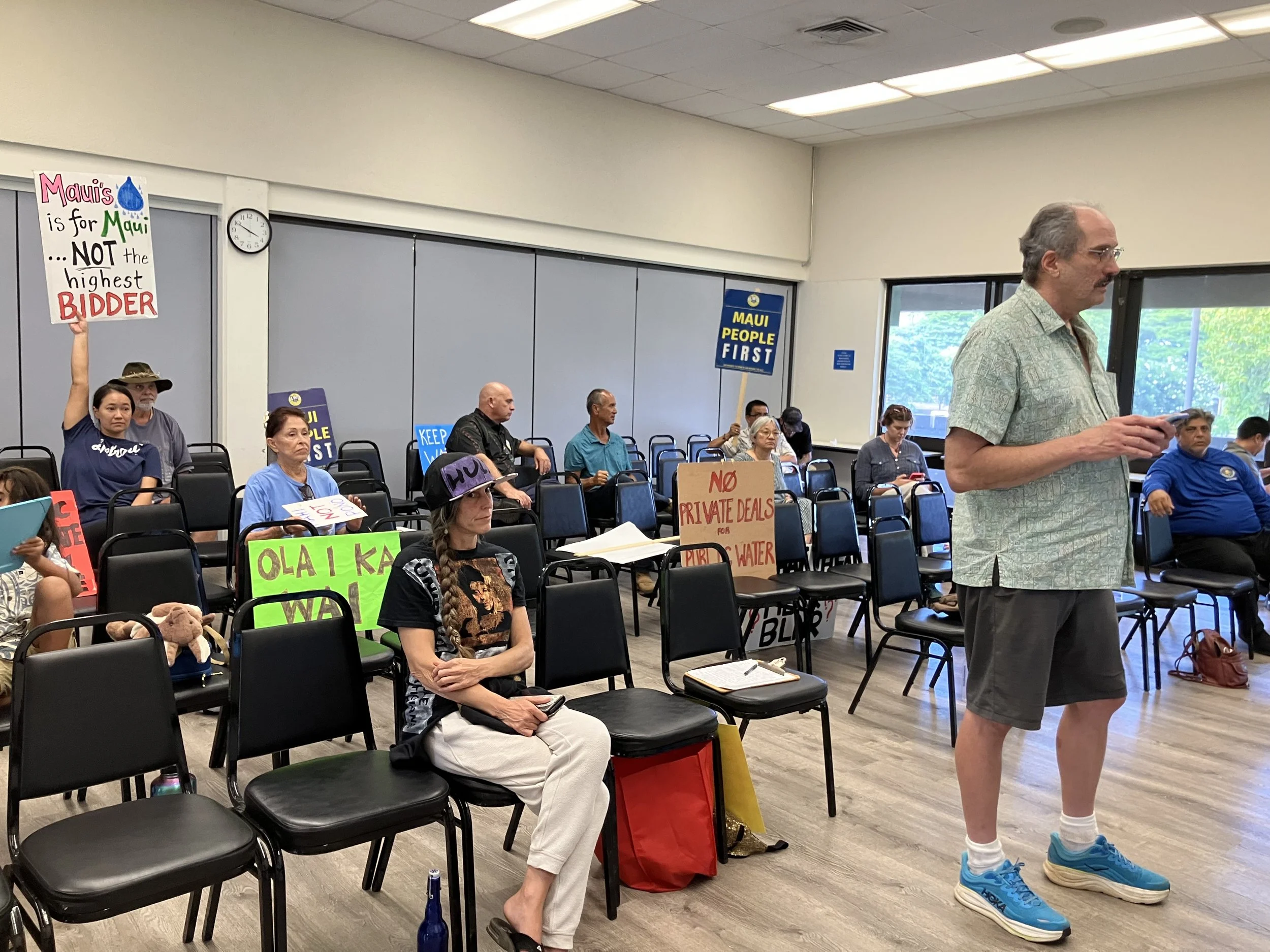

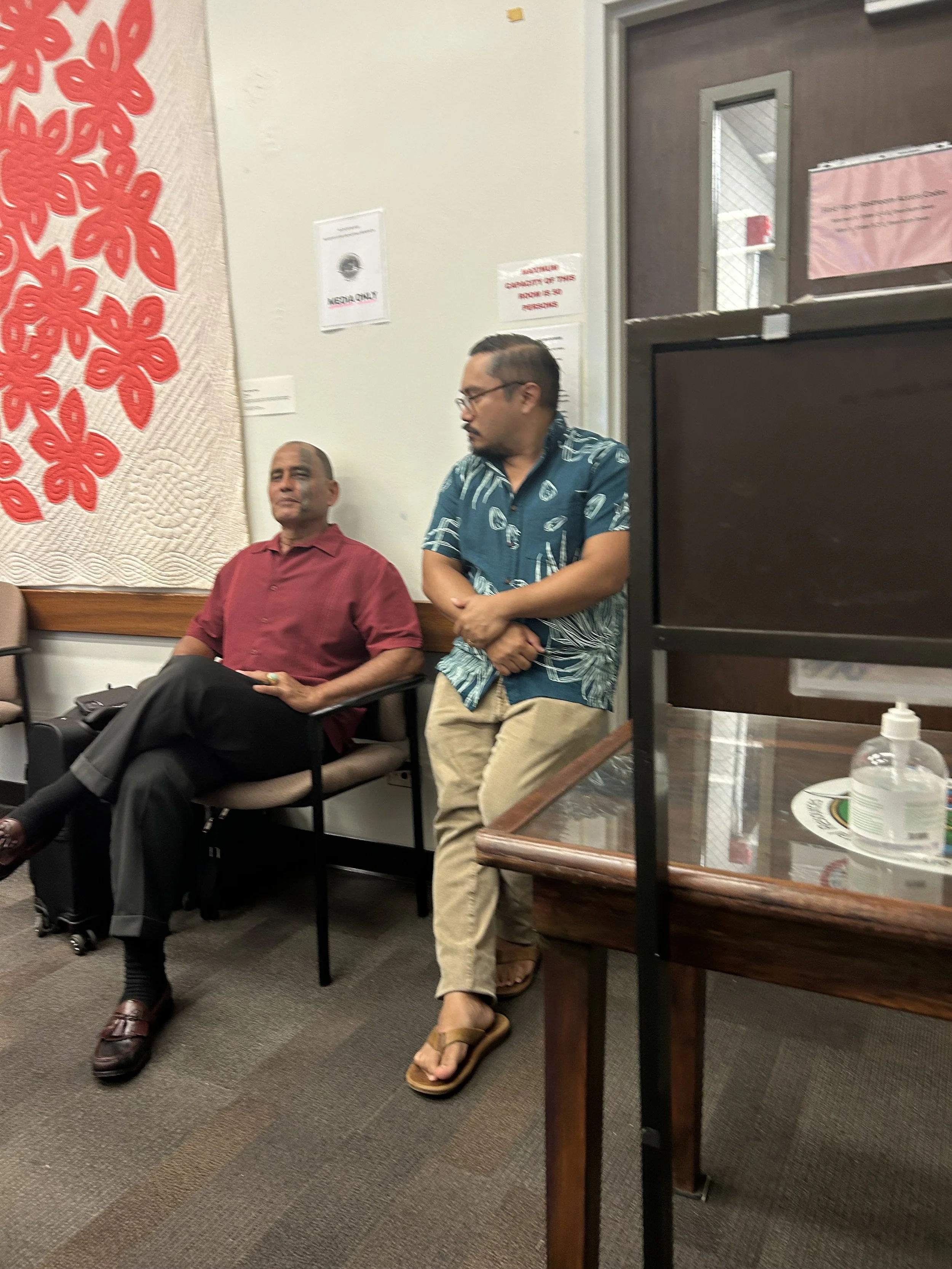
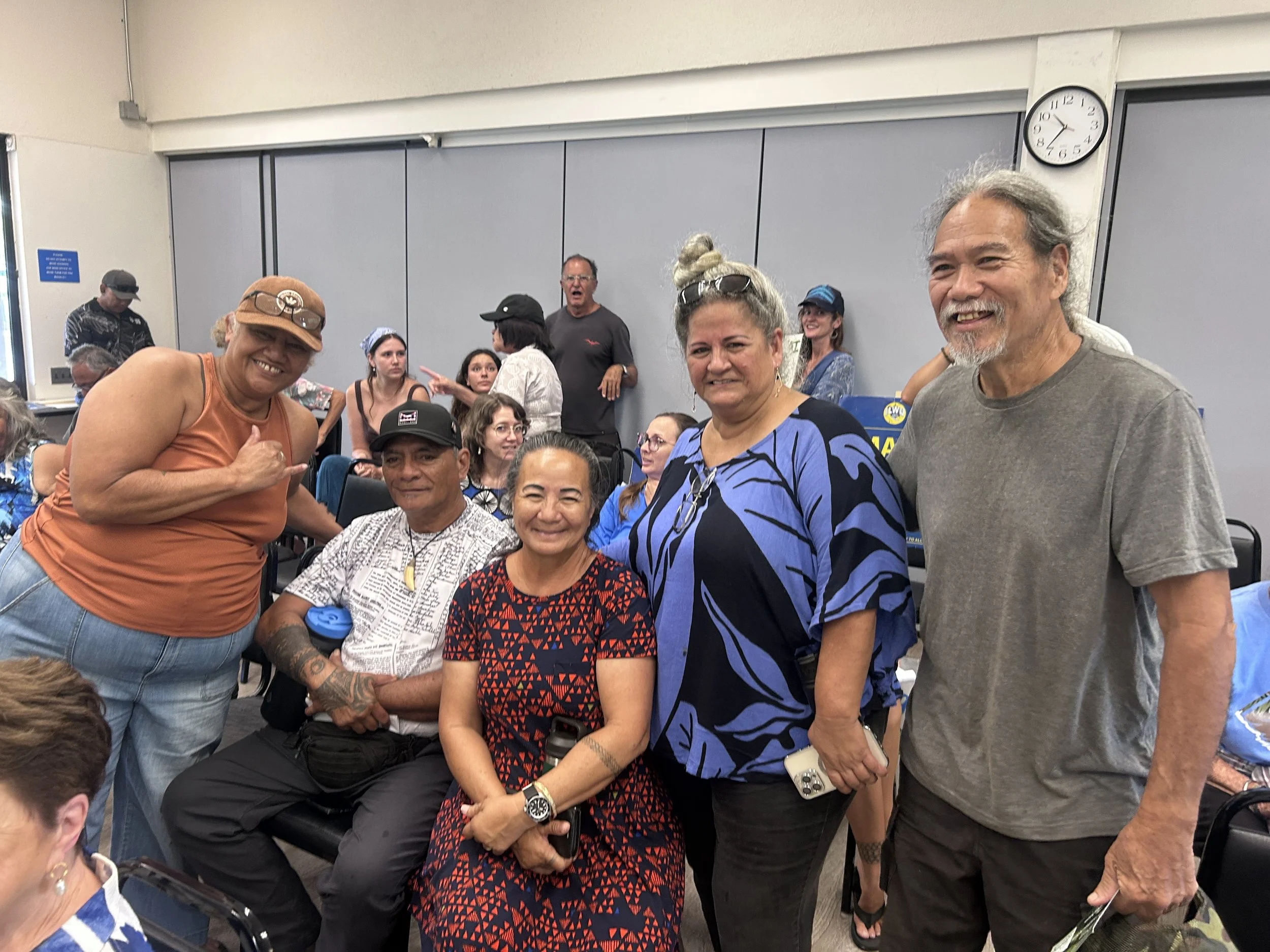

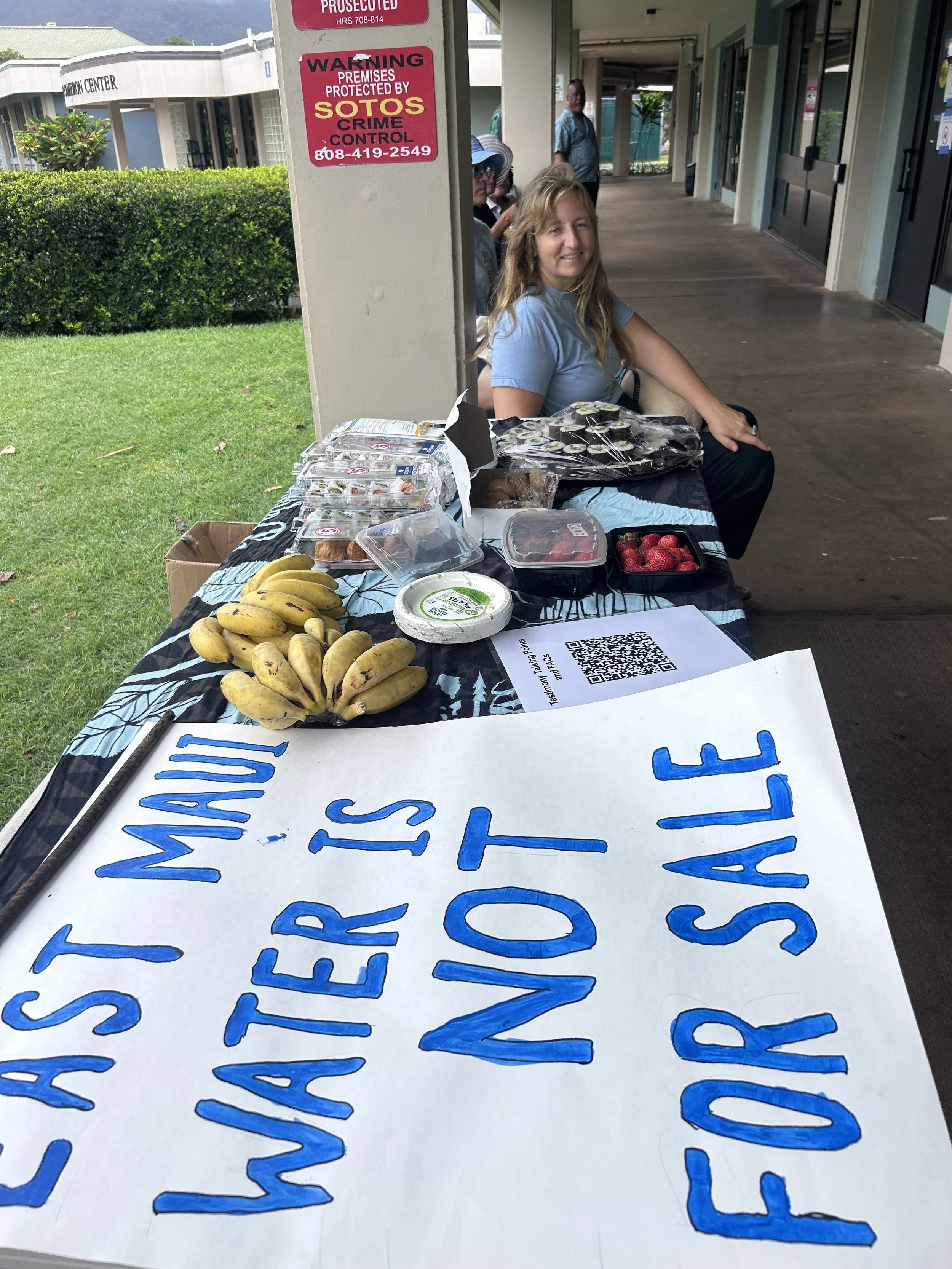
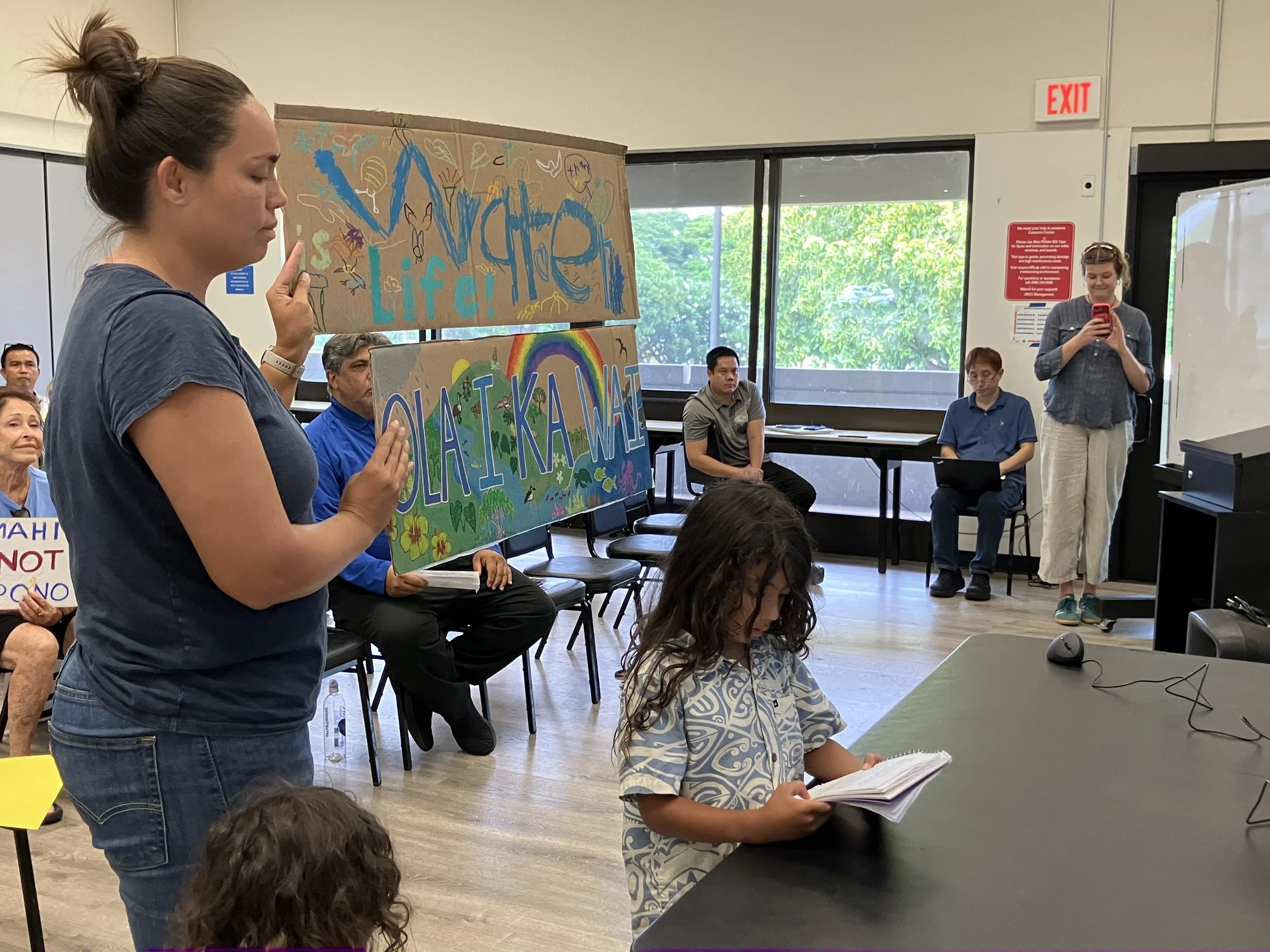
Hundreds upon hundreds of pages of written testimony, mostly against the proposal, flooded the Land Board’s inbox. At the August 14 Land Board meeting - held on Oʻahu, with a “satellite” location to take verbal testimony in Wailuku - testifiers from all walks of life urged the Land Board to do the right thing. From the Maui Mayor, to the Office of Hawaiian Affairs Chair and Maui Trustee, to the ILWU, to lineal descendants and keiki of East Maui, virtually every testifier registered their opposition to a corporate giveaway of public trust streams.
To keep folks informed and up-to-date on the hours-long Land Board meeting, the Sierra Club’s brand-new Blue Sky account provided background trivia and live updates throughout the day, including excerpts from the incredibly powerful verbal testimonies. Meanwhile, Sierra Club team members, volunteers, and partners at the Maui satellite location held signs, brought food and drinks, and set up keiki activities, keeping morale high as Maui residents waited, many for hours, for their turn to testify.
Finally, after nearly seven hours of testimony, the Land Board seemed convinced. Maui representative Jay Carpio, reflecting on his own research and experiences as well as the manaʻo provided by the community, made a motion to “deny, reject, and oppose” the Department’s “public auction” for the issuance of a water license to Mahi Pono.
Then, in a sudden twist, Mahi Pono attorney Calvert Chipchase verbally requested a contested case hearing - a request that, if granted, would have delayed the Land Board’s imminent rejection of the public auction/water license recommendation.
The Land Board initially seemed inclined to grant Mahi Pono’s request. However, the irony of Mahi Pono’s request for a contested case hearing over its “right” to a “public” auction was not lost on audience members. The company had fought for years to deny the requests of Native Hawaiian cultural practitioners and East Maui residents to protect their clearly established constitutional rights, via a contested case over Mahi Pono’s annual stream diversion permits. For Mahi Pono to now demand a contested case hearing over its non-existent rights to public trust water was beyond preposterous.
Before it could grant the contested case request, audience members challenged the Land Board to specify what rights Mahi Pono had to a “public” auction, or to a long-term lease of public trust water it did not own.
Earthjustice specialist Marti Townsend reminded the Land Board that the Department itself had insisted the proposal as one for a “public auction,” not technically tied to Mahi Pono. Sierra Club attorney David Kimo also testified on his belief that Mahi Pono had no rights to a public auction or water lease that required a contested case hearing, and further described his intent to challenge the now-outdated environmental impact statement for a long-term water lease, should Mahi Pono’s request be approved.
Thankfully, the Land Board deadlocked on a motion to grant Mahi Pono’s contested case hearing request, resulting in the request being rejected.
Then, in a final vote, the Land Board unanimously voted to reject the Department’s proposal for a public auction and long-term water lease for Mahi Pono.
This was a historic victory for Maui’s people and streams, and for the public trust: for the first time in generations, a corporate stream diverter’s demand for water from East Maui had been rejected by the state.
Now, the Department of Land and Natural Resources must focus on what it should have been spending its time and energy on all along: holding a contested case hearing for the one-year revocable permits that allow Mahi Pono to divert East Maui’s streams throughout 2026 and 2027. For more information on this next step in the ongoing East Maui stream diversion saga, check out our “Litigation Station” article, also in this month’s Mālama.
In the meantime, many thanks and a huge congratulations to all of the community groups, leaders, cultural practitioners, lineal descendants, and advocates for the public trust and for justice, who took part in this unprecedented win.
E ola i ka wai!