
Aʻole LNG for Hawaiʻi: Resources and Perspectives
What is LNG?
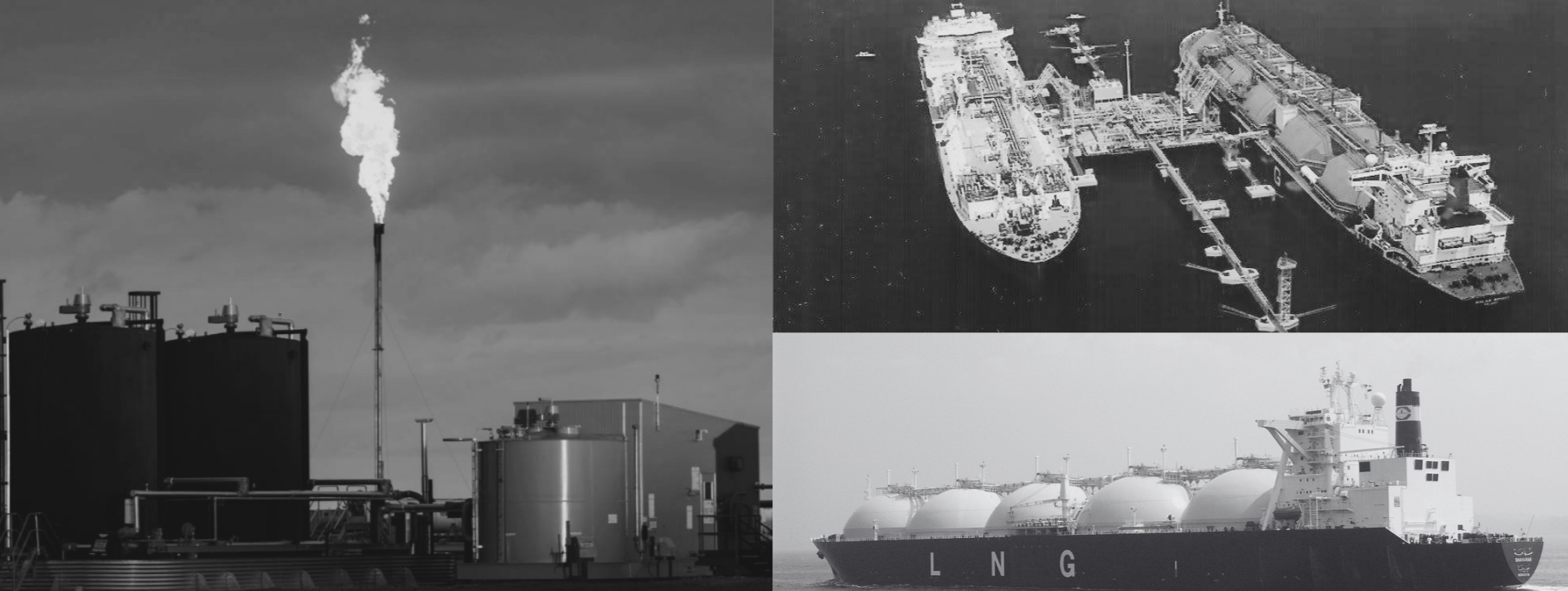
Liquified natural gas, or LNG, is a fossil fuel extracted from the earth through drilling and fracking, supercooled for transport, and used for electricity generation that is widely recognized as highly harmful to both human health and the environment.Liquefied natural gas (LNG), aka fracked methane, is a dirty, expensive fossil fuel.
Read on to learn more from third-party energy experts and communities on how LNG threatens Hawaiʻi’s health, ʻāina, energy independence, and future—while communities pay the price.
Expert Analyses and Perspectives
Below are a collection of presentations and articles that highlight the various concerns regarding the state’s pursuit of LNG and partnership with Japanese methane supplier, JERA.
State House Informational Briefing— Committee on Energy and Environmental Protection
Watch a presentation given by the Energy Office on their “Alternative Fuels” study used to promote LNG, with alternative analyses and concerns regarding its data and assumptions by Dr. Matthias Fripp, Director, Global Policy Research, Energy Innovation. Click here to watch.
Honolulu Climate Commission Presentation on LNG
Sierra Club of Hawaiʻi Director and Institute for Energy Economics and Financial Analysis’ Energy Data Analyst present at Honolulu Climate Commission meeting. At same meeting, an economic concerns focused presentation given by University of Hawaiʻi Professor, Michael Roberts and Dr. Matthias Fripp. Click here to watch.
Extremely expensive. 📈
Hawaiian Electric owns every aspect of the grid, from power generation to transmission to distribution. This means every step of the way, Hawaiian Electric sets the prices and profits off the business.
Hawaiian Electric also remains heavily reliant on fossil fuels, passing those high costs off to the customer like you.
Targeted siting. ⚠️
Hawaiian Electric has a history of placing both dirty and clean energy facilities near working class, rural, indigenous, communities of color, ultimately undermining community and environmental health.
Think: AES coal plant and Kahe power plant in Kapolei, and the Kahuku wind farm.
LNG is promoted as a “bridge fuel” that could lower energy costs. But LNG infrastructure would require billions in new spending, expose residents to volatile global markets, and risk locking Hawaiʻi into decades of fossil fuel dependence—at a time when we need to rapidly decarbonize our economy.
Community Voices: Letters to the Editor, Op-eds, and Socials
Insert article title with hyperlink
Sierra Club of Hawaiʻi Press Release Updates:
UIPA
LNG Concerns
Maybe any ending notes or prominent social media posts here?
LNG is not a solution, it is a lifeline to the fossil fuel industry by continuing to import dirty fracked gas. Instead of investing billions in further fossil fuel dependence, Hawaiʻi can continue moving toward locally produced renewable energy that delivers: stable electricity prices, energy independence, and a cleaner and healthier future for our communities.