
Molokaʻi CRB Protections Lapse, as Department of Agriculture and Biosecurity Prioritizes Orchid Exceptions to Maui and Lānaʻi CRB Rules
By Wayne Tanaka | Reading Time: 5min
ACTION ALERT: See the bottom of this article for an opportunity to support the reinstatement of the Molokaʻi CRB interim rules, and minimize the threat of continued shipments of CRB host material to Molokaʻi
On September 22, the Board of Agriculture and Biosecurity (BAB) approved an amendment to the recently adopted Maui and Lānaʻi coconut rhinoceros beetle (CRB) interim rules, to allow potted orchids, bromeliads, and anthuriums to be shipped to the islands from non-designated CRB infested areas – e.g., east Hawaiʻi island.
While testimony was largely supportive of the amendment, subject to a housekeeping change to address potential loopholes, much of the testimony at BAB’s meeting focused on what was not on the agenda: the renewal of the one-year interim CRB rules for Molokaʻi, set to expire on Wednesday, September 23.
While BAB Chair Sharon Hurd assured the public that a meeting would be held next week to re-instate the Molokaʻi rules, testifiers emphasized the needless risk that had been created by the Department of Agriculture and Biosecurity’s (DAB’s) decision to prioritize a handful of orchid growers over the entire island of Molokaʻi.
“We petitioned them at the start of August to not let these protections go away. And we have been following up ever since,” said ʻAnakala Kunani Nihipali, who along with his wife, ʻAnakē Ipo Nihipali, petitioned for the Molokaʻi rules on behalf of Niu Now Molokaʻi. “Even a few days of allowing shipments of potted plants and landscaping materials to Molokaʻi could lead to the destruction of our niu, and all of the cultural practices, the food security, the connections that depend on this tree of life, and on the many other plants CRB attacks.”
In his testimony, Sierra Club of Hawaiʻi director Wayne Tanaka pointed out the misleading and contradictory excuses that DAB staff had given to the Nihipalis and other community members in the weeks prior to the Molokaʻi rules’ expiration:
An unsupported statement, also repeated by BAB Chair Sharon Hurd in today’s meeting, that the Molokaʻi rules would need to have a “substantive amendment” in order to be reinstated. This contradicted DAB’s own practice of renewing interim rules for multiple years without any changes;
An assurance that DAB will “continue to enforce” the interim Molokaʻi rule from last year after its expiration date, a legal impossibility;
An assurance that DAB would “withhold inspection” of CRB host material being shipped to Molokaʻi, preventing such materials from being shipped; and
The subsequent statement by BAB Chair Hurd that DAB would in fact be allowing potted plants and CRB host material to be shipped to Molokaʻi, subject to DAB “inspection” – although DAB may not have the authority or ability to fully inspect all potential CRB host material.
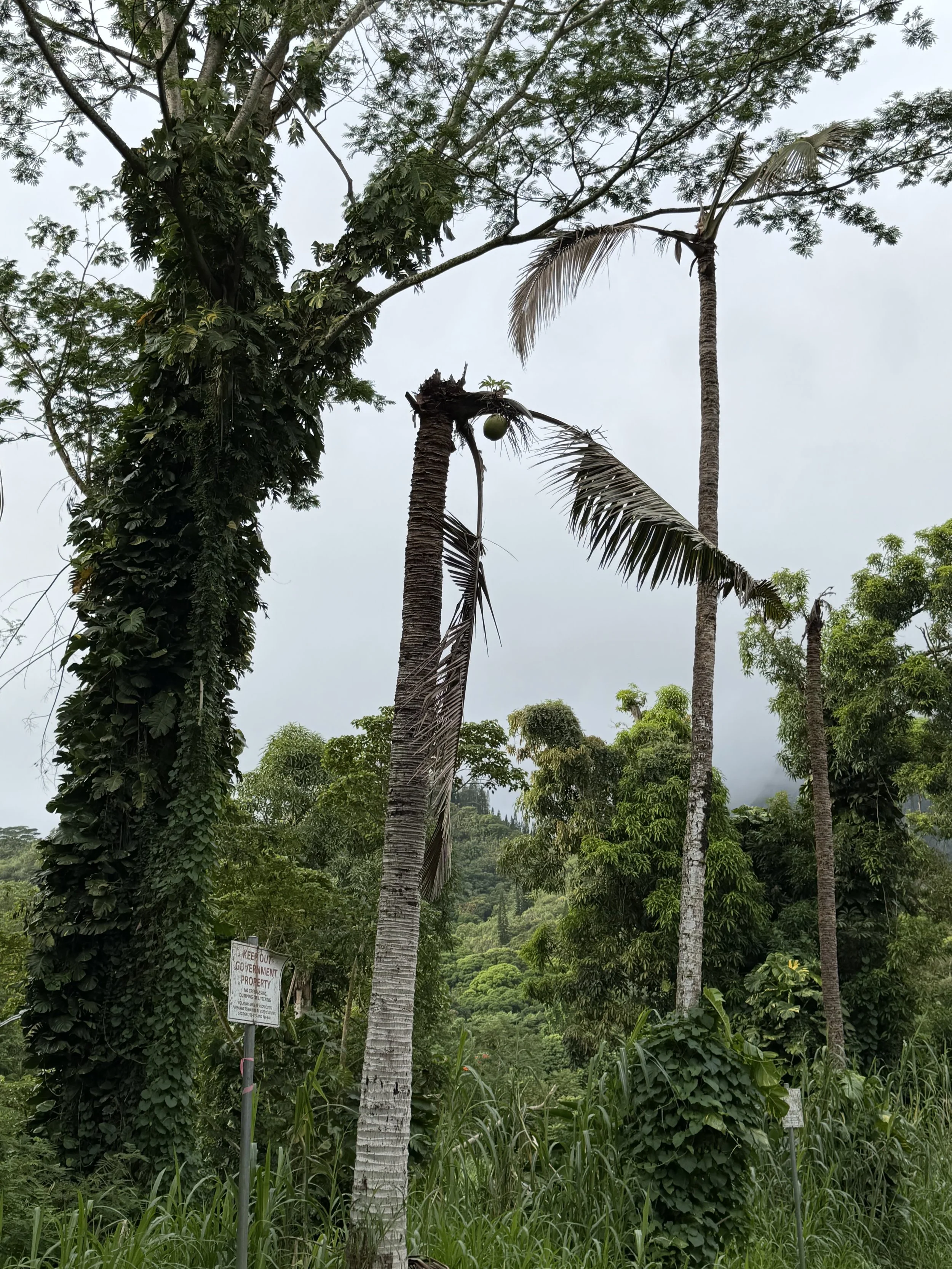
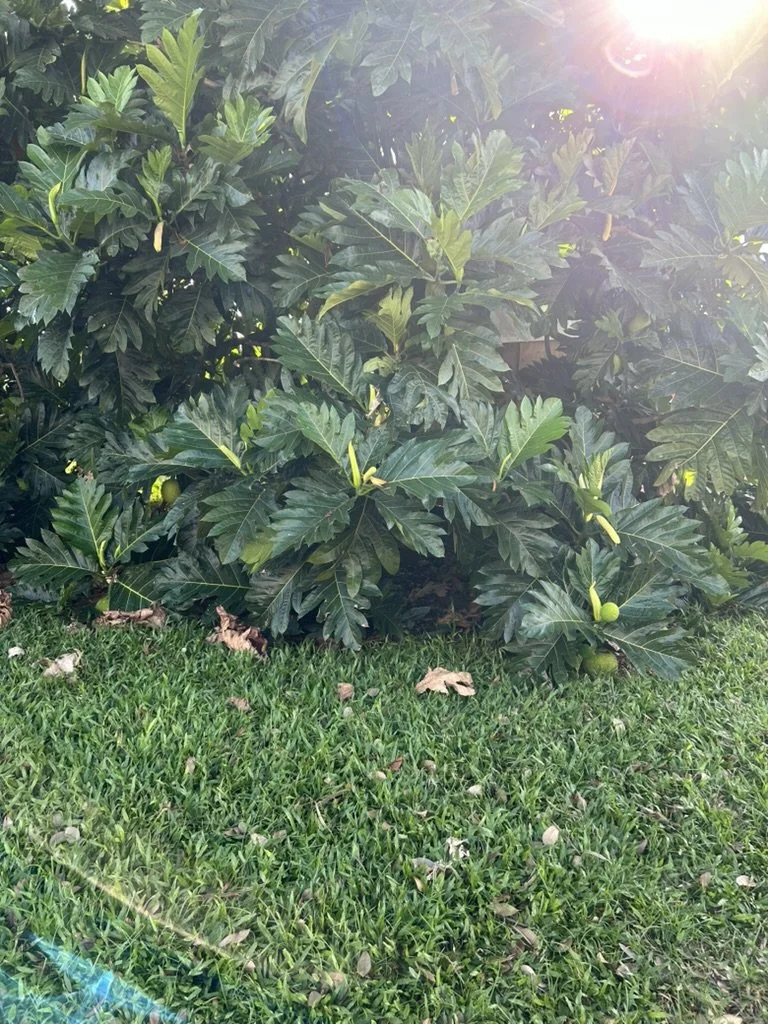
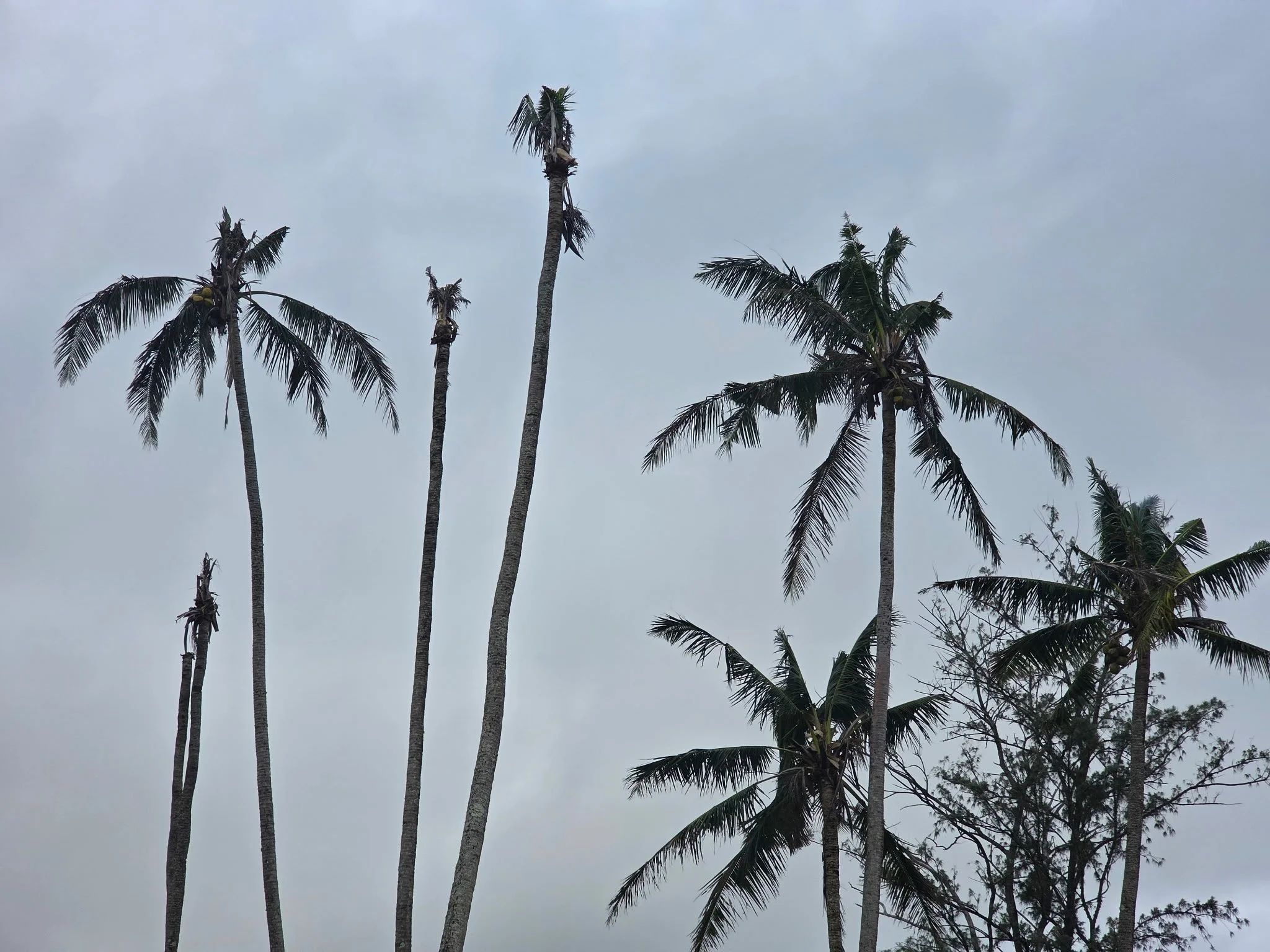
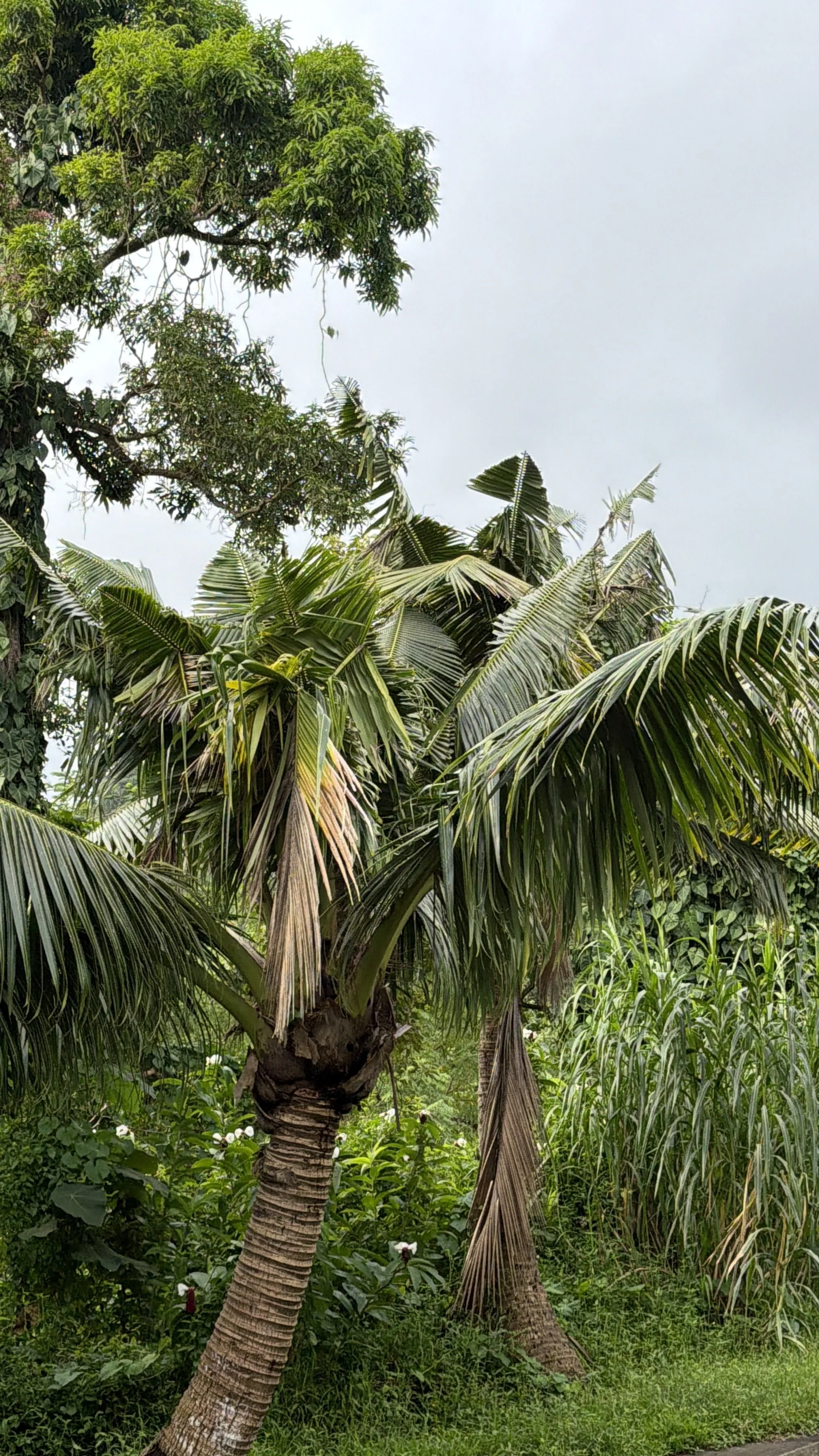
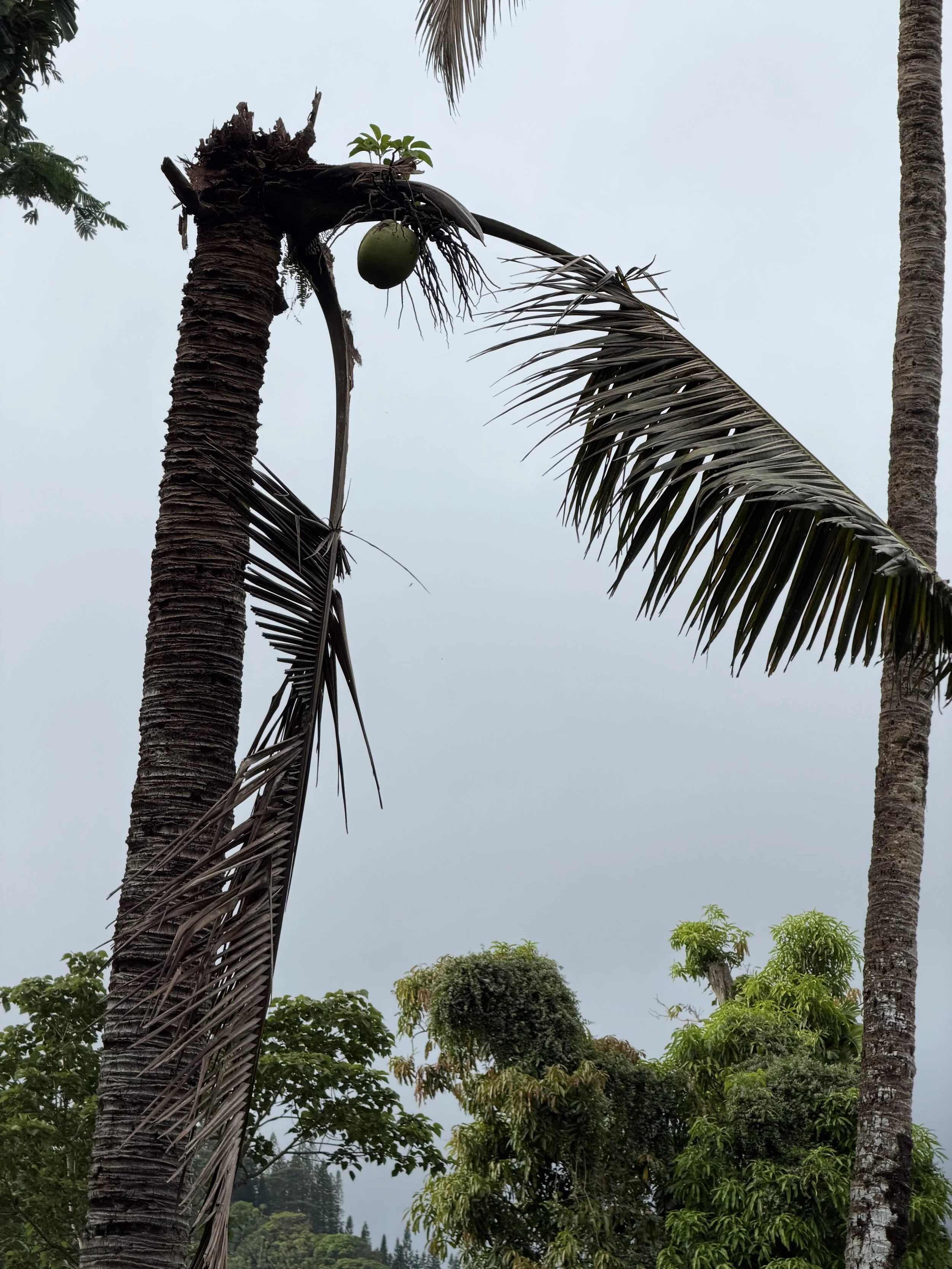
Photos: Niu in Waiāhole and Huilua Loko Iʻa, Kahana dying from CRB infestations on Oʻahu
Tanaka also pointed to a longer history of DAB leadership misrepresenting the law, including a debunked claim that the U.S. Constitution’s commerce clause prohibited the Molokaʻi interim CRB rules, and a “legal authority” memo that was sent to the Hawaiʻi State Legislature by DAB, which Attorney General Anne Lopez expressly disavowed.
“DAB leadership had at least two months’ warning that the Molokaʻi rules were going to lapse, and all they had to do was convene the one single meeting needed to keep these protections in place,” Tanaka later explained. “Instead, they spent their time trying to play favorites with the industry while lying to the community, lying to kūpuna.”
“The Board of Agriculture and Biosecurity is a trustee of the public trust, which the Hawaiʻi Supreme Court made clear carries the same fiduciary duties as that of a private trust,” said Maui County Councilmember, attorney, and Hoʻolehua resident Keani Rawlins Fernandez. “If you’re on a board of trustees, and you have evidence that your CEO is misleading your beneficiaries, misleading the legislature, misleading you, while playing favorites and putting your trust assets at risk – you would have a duty to act.”
“The board members must recognize that Molokaʻi depends on them upholding their public trust and constitutional obligations, including by keeping DAB staff accountable.”
Given the high potential demand for potted plants and landscaping materials from off-island sources, particularly from landowners who are not full-time residents of Molokaʻi, Nihipali urged heightened vigilance during the CRB rulesʻ post-expiration period.
“DAB must present our rules to the Advisory Committee intact, without any ʻsubstantive’ changes to water them down. Until then, they must inspect 100% of all potted plants and CRB host material being shipped to Molokaʻi – not just the 15% like they normally do. And the community must be on the lookout for any incoming shipments of plants, mulch, soil, gravel – anything that can carry the CRB, so that we can monitor for possible outbreaks in the months ahead.”
TAKE ACTION:
On Monday, September 28, the Advisory Committee on Plants and Animals will finally consider a petition by Niu Now Molokaʻi’s ʻAnakala Kunani and ʻAnakē Ipo Nihipali, to reinstate the historic Molokaʻi CRB interim rule that was allowed to expire on September 23. The Committee will need to make a recommendation regarding the rules before they can be reinstated. Please take a moment to submit written testimony to the Committee and consider testifying verbally, if can! Sample testimony and testimony instructions below.
Testimony instructions:
Written Testimony: E-mail your testimony to DAB.PQ.TESTIMONY@HAWAII.GOV,, with “Testimony: III.B” in the subject line.
Verbal Testimony:
In person: Attend the meeting in-person at the Plant Quarantine Branch, 1849 Auiki Street, Honolulu, Hawaiʻi 96819 at 1 p.m. on Monday, September 28.
Virtual: Log into the meeting via Zoom at https://us02web.zoom.us/j/86934606848 and use the “raise hand” option when calls for public testimony are announced.
Sample Testimony
Aloha Plants and Animals Advisory Committee Members,
My name is [your name] and I live in [your home]. I am writing to strongly urge you to re-instate the interim coconut rhinoceros beetle (CRB) rules that were inexplicably allowed to lapse last week, without any substantive amendments as may be proposed by Department of Agriculture and Biosecurity (DAB) staff.
Contrary to what DAB staff have recently asserted, there is no need to make “substantive” changes to an interim rule, in order for it to be renewed for another year. There is no statutory basis to support this claim, and DAB itself has renewed the interim CRB rules for Oʻahu repeatedly without any changes.
When you recommended the adoption of the Molokaʻi CRB rules last year, you wisely recognized that CRB posed an emergency threat to the agriculture and food security, cultural practices, ecological integrity, and economy of Molokaʻi. You also recognized that every day Molokaʻi received shipments of plants and CRB host material from off-island, was a day that CRB could alter the future of Molokaʻi for generations.
Now, the threat of CRB to Molokaʻi is even worse than last year. The CRB situation on Oʻahu, Kauaʻi, and Hawaiʻi island has only grown more dire. Moreover, recent storms are likely to have exacerbated the spread of this highly invasive pest, via high winds and the creation and movement of large amounts of green waste and other CRB host material. Now is NOT the time to consider loosening the previous protections for Molokaʻi, as has been suggested by DAB staff.
The robust protection provided by the Molokaʻi interim rules is very likely the reason why Molokaʻi has been able to evade the numerous introductions and establishment of CRB that we have seen on other islands. Now that the rules have lapsed, every day that Molokaʻi remains without their protections against the import of potted plants and CRB host material is a day where the future of Molokaʻi hangs in the balance.
Please take expeditious action and recommend the reinstatement of the interim CRB rules as they existed on September 22, 2026, without any changes that may weaken their protections.
Mahalo nui for your consideration of this testimony.